
Why Startup CEOs Fail to Become Growth CEOs
Congratulations! You've started a successful company. And now that you have achieved a measure of success, you're ready to take it to the next level. Except… you keep trying, but it's not working.
You have played the role of Startup CEO very well by selling, selling, and selling some more. But if the only growth card you play is the sales card, you soon find yourself stuck. All the marketing, sales, partnerships, and investors in the world won't help you succeed if your organization can't execute, your people aren't performing, your technology is out of date, your support processes are immature, and you can't deliver what you've committed to sell.
Are you ready to change your focus — to look inward and start maturing the internal structure and capabilities of your organization? Are you ready to change your role — to start enabling other leaders to perform and succeed, letting go of control so the organization can expand beyond your own capacities? At some point, if you want your organization to grow, you (or your replacement) will need to become a Growth CEO.
The jump is not easy, and this is why so many founders are "serial entrepreneurs" — some have no desire to shift focus, and would rather jump off a company at this point and onto a new startup. But if you are a CEO who needs to grow your business, start by examining yourself against these ten reasons why Startup CEOs fail to become Growth CEOs.
1. Unwillingness to increase self-awareness and learn about yourself
Top of the list is an unwillingness to even look at yourself. This may come partly from the "ostrich effect" — hoping that by not looking at your own idiosyncrasies (some people call them "idiot-syncrasies"), other people will not notice them either.
The truth is, none of us is very good at seeing ourselves. All of our eyeballs face out. This is why executive coaching is alive and well (see Bill Gates: "Everyone needs a coach"). Until we understand ourselves and how we work, we have little chance of understanding how we impact our organizations — and if we don't understand that, we can never hope to improve them. "Know thyself," said Plato.
Are you willing to humbly take a serious look at yourself from other people's perspectives — your faults as well as your strengths? If so, you are already ahead of the many who won't pay this first price of admission.
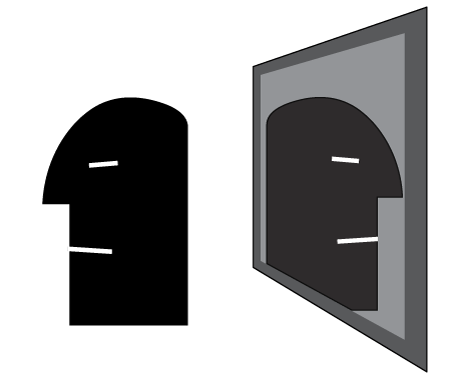
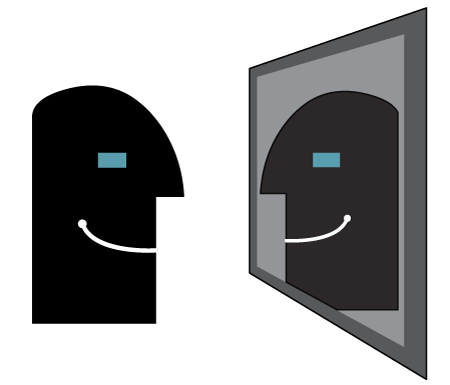
2. Inability to be vulnerable and lead in intentionally unfamiliar ways
You CAN teach an old dog new tricks — as long as the dog is willing. Is there some point in your life that made you feel it was OK to "shut down" and stop learning new things?
Don't be the CEO who says, "I don't need to learn all this leadership stuff. I've always shot from the hip, and it's always worked great for me." If you do what you've always done, you'll get what you've always got. As Dr. Phil says, "How's that working for you?" Deep inside, each of us knows there is room for improvement. Putting blinders on our minds kills any chance those new ideas had to change us.
If you haven't watched Brené Brown's TED talk on "The Power of Vulnerability", stop and watch it now. Then think about how it would feel to let your life and influence grow to a new dimension. How will you lead your organization to a new level if you can't bring yourself to one? Stephen R. Covey said that "inner victories precede outer ones" — change starts from within.
Are you willing to be vulnerable enough to change? If you succeed in changing yourself, you will be surprised what starts to change around you.
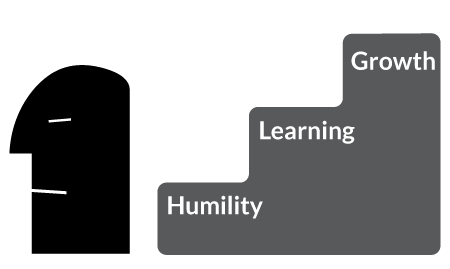
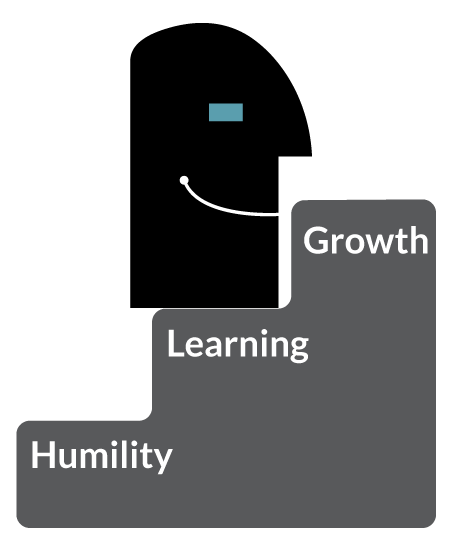
3. Inability to take full responsibility for ALL of your organization's problems
I know what you're going to say: "How could I be responsible for ALL of the problems in my organization?" But it really doesn't matter whether you are or aren't. The point is, Growth CEOs aren't waiting around wishing something or someone else would change. They assume responsibility, which automatically places them in a position to do something.
This is an extremely empowering maneuver, but it requires that you change first. Take any problem in your organization — negative culture, say. How much of it is your people, and how much is you? What if you stopped trying to change any of them, and instead learned what you could do differently to create a new dynamic? You are the leader. No one has as much power as you.
Are you willing to take responsibility for every problem in your company as if it were your own fault? If so, you're in the right mindset to change the one dynamic with the most power to change everything — YOU.
4. Inability to perceive the hidden world of culture and empowerment
Which is more real: water, or love? You might think water at first, because you can touch it. But you've probably been touched by love too — and if love in your heart has ever been broken, it feels like it can almost break you.
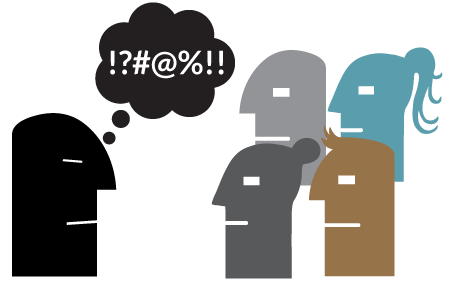
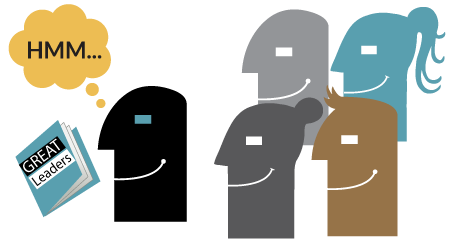
So much of what matters in life and business is invisible. Don't be the CEO who cops out of the "touchy-feely" stuff because it can't be seen — who buys exercise equipment and a foosball table to make the culture seem "real," but ignores employees' need for leadership growth, their need to shine and create value in their work-groups, and the empowerment they need to innovate. Those unseen things ARE your real culture, far more than anything in your physical facilities. (By the way… I love foosball!)
Be the first to learn which leadership styles create feelings of empowerment. Be the first to stop a meeting when disrespect has occurred, and teach your organization that people come before agendas. Become a believer in the power of vision and culture to attract high performance, instead of relying on coercion and control. Your entire organization has an energy — and you have more to do with it than you ever imagined.
Are you willing to open your heart to the real but hidden world of things you can't see? If so, your organization will soon become more "real" to everyone — including your competitors.
5. Inability to perceive the flow of power — and redirect it
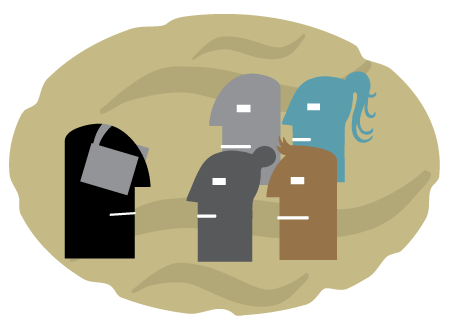
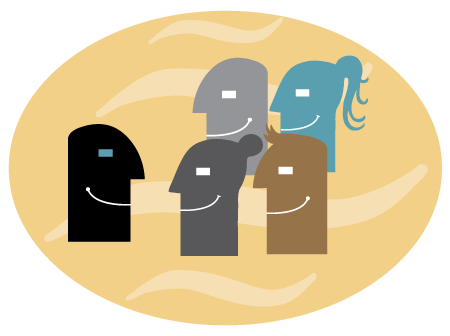
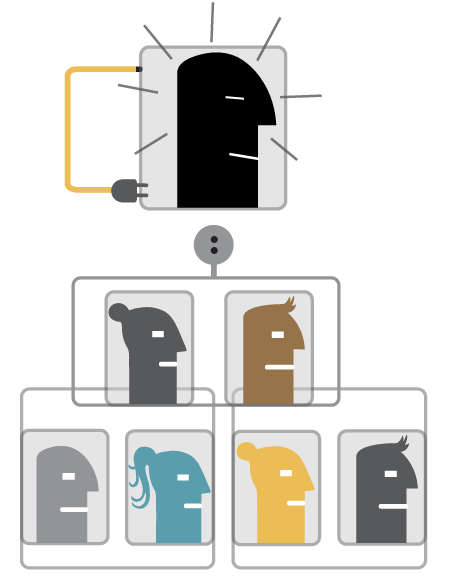
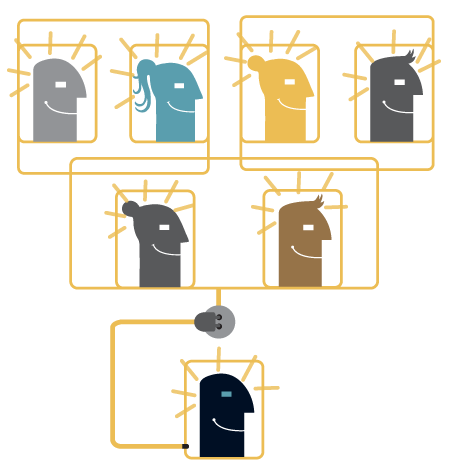
Here we come to one of the most important things you cannot see: power. You can see the effects of empowerment or disempowerment in the faces of your people and how they perform over time. But power itself is like electricity — invisible, yet everyone feels it. It's why you want certain people on your team and not others. It's why some job applicants "don't feel right" even when they fit the posted requirements exactly.
If your house were full of electrical circuits — some live, some dead — and you walked around trying appliances in various sockets, you might falsely conclude an appliance was "bad" when it simply wasn't plugged into a live socket. Like appliances, people cannot work well without power and real stewardship. It's ridiculous to hold them accountable for performing when you haven't taken the time to plug them in. But that's what we do when we ignore the dynamics of empowerment.
As the top leader, you control which behaviors get rewarded. You set the tone, decide what success means, and choose who holds responsibility. You are literally channeling power with every decision — and not perceiving that is like flinging electricity around with abandon, powering up some people and shocking others. Learn to recognize and channel it, and you harness a force that can move your entire organization in a new direction.
Do you feel great only when you hold the power — or only when you've ensured the empowerment of others? Become a good power director, and that power compounds until your organization is a Power House.
6. Inability to move from transactional to transformational leadership
Here is the essence of transactional leadership: "I'll give you $10 an hour if you do this job for me. Do it fast and do it good, or I'll drop you like a bad habit and find somebody else. Let's not make this personal — you're not really a 'human being' to me as much as a 'human doing' that gets stuff done. My way. Do you want some money or not?"
Here is the essence of transformational leadership: "We're doing something wonderful at XYZ Corp, and we need talented people with potential like you to help us succeed. We can see you adding value in this particular way — but is there another way you might be involved that would be even more valuable? Once you're here, we'll look to you as the expert in your area, and we have high expectations. We will do everything we can to help you succeed and grow while you do your magic in taking XYZ to the next level."
The transactional style is easier at first and harder forever after — you've invested so little in the person that they feel as little loyalty to you as you feel to them. They're basically waiting to be fired, so why offer anything beyond the bare minimum? You end up expending more and more energy trying to control mediocre performance from unmotivated workers. Not pretty.
The transformational style is harder at first and much easier forever after — you've invested in a valuable person and their desire to perform. You've put them in touch with their own fire of motivation, and they enjoy leading themselves. As the world of things becomes more commoditized, the only thing differentiating you from competitors may be your people. You will never compete well if you pay for their smarts and then ask them to leave their brains at the door.
Does your care for the growth of your people drive you to lead them transformationally? If so, you may find they actually care in return — and create even more value than what you pay them for.


7. Inability to switch from star player to coach
Every Startup CEO is a superstar — the best salesperson on the team, usually the highest performer, the all-star everyone looks to. Pass them the ball! With that kind of non-stop reinforcement, why would a Startup CEO ever want to stop being a player?
Imagine that tomorrow you go to work dead. You're there, but in spirit only — you can't tell people what to do. You have to let them play the game and make the hard calls in the moment, the way you used to. You watch them fail or succeed on their own decisions (feeling powerless yet?). And then you realize that even without your constant input, they're doing as well as you would have done. Often better. And all of them feel empowered, because they can finally move things in the right direction — the way they already knew they needed to — without you and your all-star ego in the way.
Then you wake up. It was just a dream, but you learned the lesson. Instead of being the star player, you let each person on your leadership team be the star of their own court, with real autonomy. Your focus shifts from scoring points to enabling people. What do your leaders need? How can you help? How can you help them find their own answers?
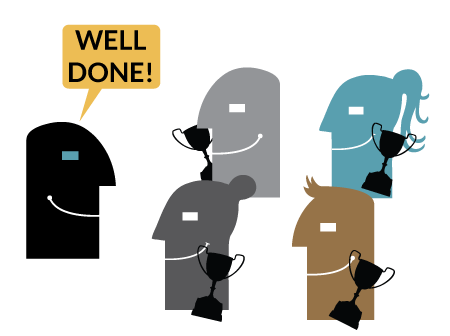
Are you the kind of coach willing to grow your leaders and then let them shine and win the trophies? If so, scaling gets much easier — you'll have many magnificent mini-yous making things happen. (And coaches win trophies too! ;-)

8. Inability to create structure and maturity without sacrificing innovation
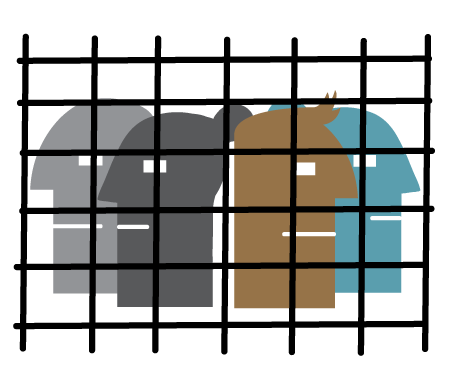
How many organizations create a Project Management Office and rip it out a year later because everyone feels controlled? How many implement ITIL to mature operations, and then everyone feels caged, unable to move without permission? It can seem like you must choose between process maturity and innovation.
That's a false dilemma. Structure is not the enemy. The question isn't whether maturity and innovation can grow together, but how both are enabled. As your organization grows, you will need guidelines and established processes to keep things from devolving into chaos. But who creates that structure? Who enforces it? A Growth CEO knows these questions make all the difference.
The worst thing an organization can do is write a policy covering every possible thing its worst employees might do — countless rules that only two people need, and they never read them anyway (and why are those two still there?). The best organizations hire people who are self-governing and hold themselves to high standards. They don't need policing. They do want to know how to avoid hurting the company — so you start by giving them the knowledge to do things right, because that's the kind of employees they are.
Then you trust them to decide which processes will best coordinate their work, using best-practice frameworks (ITIL and the like) as a resource rather than a cage. As they respond to real problems with process fixes, current issues drive process improvement at exactly the pace of your organization's growth.
Are you willing to hire the right people, trust them to deliver value, and give them responsibility for deciding what structure and tools they need? Then the drive for structure comes inside-out — from your people — and it requires their innovation rather than replacing it.
9. Inability to create a culture of safety and trust
If you want to know what kind of leader you are, notice what you do when everything goes wrong: when people decide not to follow you; when your plans fail and you are not very respected; when you are blamed for things that aren't even your fault.
In those moments, when patience and self-esteem wear thin, your character is most rawly visible (and I'm sure "rawly" is a word). Everyone watches you more intensely in those moments, because your reactions under stress can have a major impact on their employment, security, and wellbeing. If they see you lose your integrity under pressure, throw people under the bus, or make lame excuses — anything that signals you are not SAFE as a leader — you will break trust. And breaking trust eventually breaks culture.
Character and leadership are practically synonymous. A culture of safety depends on a leader who holds the organization to principles of effectiveness and counsels with others in a way that creates cooperation and synergy.
Are you grounded enough to hold your organization in a protected space — where consequences are based on how right actions are, not on the ego needs of the moment? If so, your people gain the confidence to be weak enough to grow, and to fail until they win.
10. Inability to sacrifice short-term performance to permanently improve it
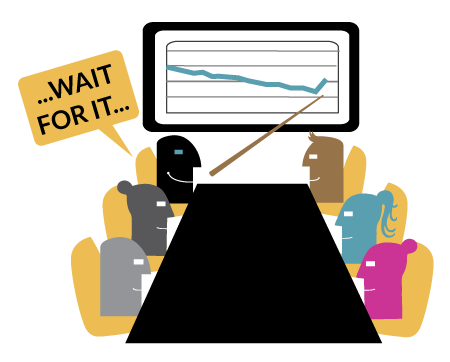
Let's say you understand everything above — the importance of building internal structure (people, process, and technology) strong enough to support long-term high performance. You're still not out of the woods. There's a final irony that kills the whole endeavor, and it's probably why so few companies make the leap from good to great: when you dare to focus on production capability, production always gets worse before it permanently gets better.
Imagine your board of directors. You show up and say, "We can keep making our mostly-average numbers look good each month, or I can take this company to a whole new level — permanent performance at double what we have now, for as long as we lead this way. It requires leadership that pulls instead of pushes, grows instead of controls, and empowers instead of commands." They'll say, "Let's do it! What do you need?"
And you will have to say: "I need you to accept a performance level this first year that is lower than we've seen in years." Will they go for it? Doubtful. It takes time to grow people and production capability, and during that time you can't produce as much — not everything can be first.
But after the initial investment, your new "normal" supersedes your competitors — as documented in Jim Collins's Good to Great. Or consider John Wooden, perhaps the most successful college basketball coach in history: 88 consecutive wins at UCLA and 10 NCAA championships… after winning almost nothing his first year, while he invested in his players.
Do you have the courage to sacrifice the appearance of success today to secure it for all your tomorrows? If you can slow down long enough to get your feet under you, who knows how fast your organization will run.
The journey
Reading this list could be your first step. When your focus has been external for years, it's not easy to turn it toward the inside organization — empowering others and structuring internal systems for maturity and growth. But if you can pull it off, people may soon be asking for your secret: how you made the transition from Startup CEO to Growth CEO.